Fergus Sharkey on how SMEs can reduce energy costs and improve competitiveness

With energy costs continuing to put pressure on businesses, many SMEs are looking for practical ways to reduce bills and improve efficiency.

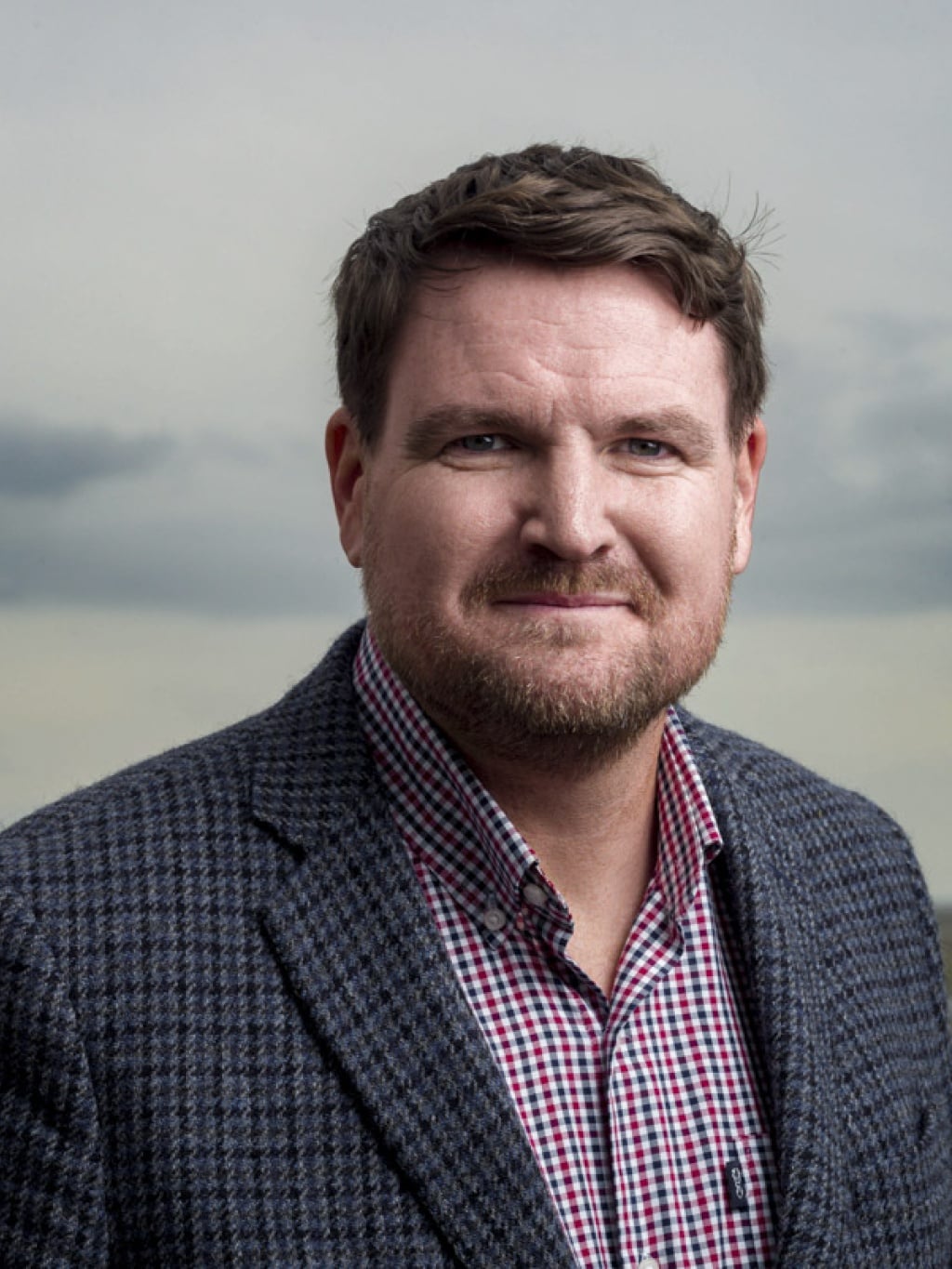
In a recent interview with Radio Kerry, Fergus Sharkey, Head of Business Supports, SEAI, spoke to Amber Galwey. They discussed the challenges businesses are facing, the supports available, and the steps SMEs can take to make meaningful savings.
This is an excerpt from that interview:
Amber: Recent research found that a significant number of SMEs say that rising costs is affecting them. What can you tell us about that research and the trends that you're noticing from it, Fergus?
Fergus: I think we're in our latest energy crisis. We've had a number of them over the last decade. Businesses bear the brunt of this, and their customers bear the brunt if they can pass on some of that cost. At the moment, we're not seeing the extremes that we saw off the back of the Russian invasion of Ukraine, but we're seeing significant increases, particularly in oil prices, which impacts obviously diesel on the road, but impacts heating oil, which a lot of businesses would be using as a heating fuel.
Amber: Absolutely. And I suppose it's not surprising as well, is it that this is happening, given the rising cost that we've been experiencing for some time now, Fergus?
Fergus: Ultimately, this happens because we're exposed to international energy markets. We're exposed to international energy markets because just under 80% of our energy comes from fossil fuels that are imported into the country in the main. We have a little bit of natural gas that we produce ourselves. That leaves us very vulnerable to price shocks and that just goes straight to the bottom line of businesses.
Amber: There is good news out there because there are grants available to help people and to help businesses. Can you give us a flavor of what's out there and in what ways they might help people, Fergus?
Fergus: There's a lot of support available from ourselves, from other state agencies as well, such as the local enterprise office, such as IDA and Enterprise Ireland, but generally that's more for the larger energy users.
We say if a business really wants to focus on their energy use, there's a three-step process of 1. understanding, 2. assessing and 3. investing. Everybody will jump to the investment and what grants are available, but they need to figure out where they should invest first and what opportunities there are.
We have our Energy Academy, which is a free online training resource. We have the online Introduction to Energy Management Training. And then to assess opportunities in your business, we have an effectively free audit scheme for SMEs. It's a hugely popular scheme, the Support Scheme for Energy Audits. And that provides instant approval for a €2,000 energy audit voucher and you get a professional energy audit carried out on your business.
All of this before a business needs to make any investment. Through that, you can discover tips and tricks and opportunities around your business to reduce energy costs. We will often say that small businesses can save around 20% of their energy costs through low and no cost measures. And we don't just say it, the proof is in the pudding. We have a lot of data that backs that up.
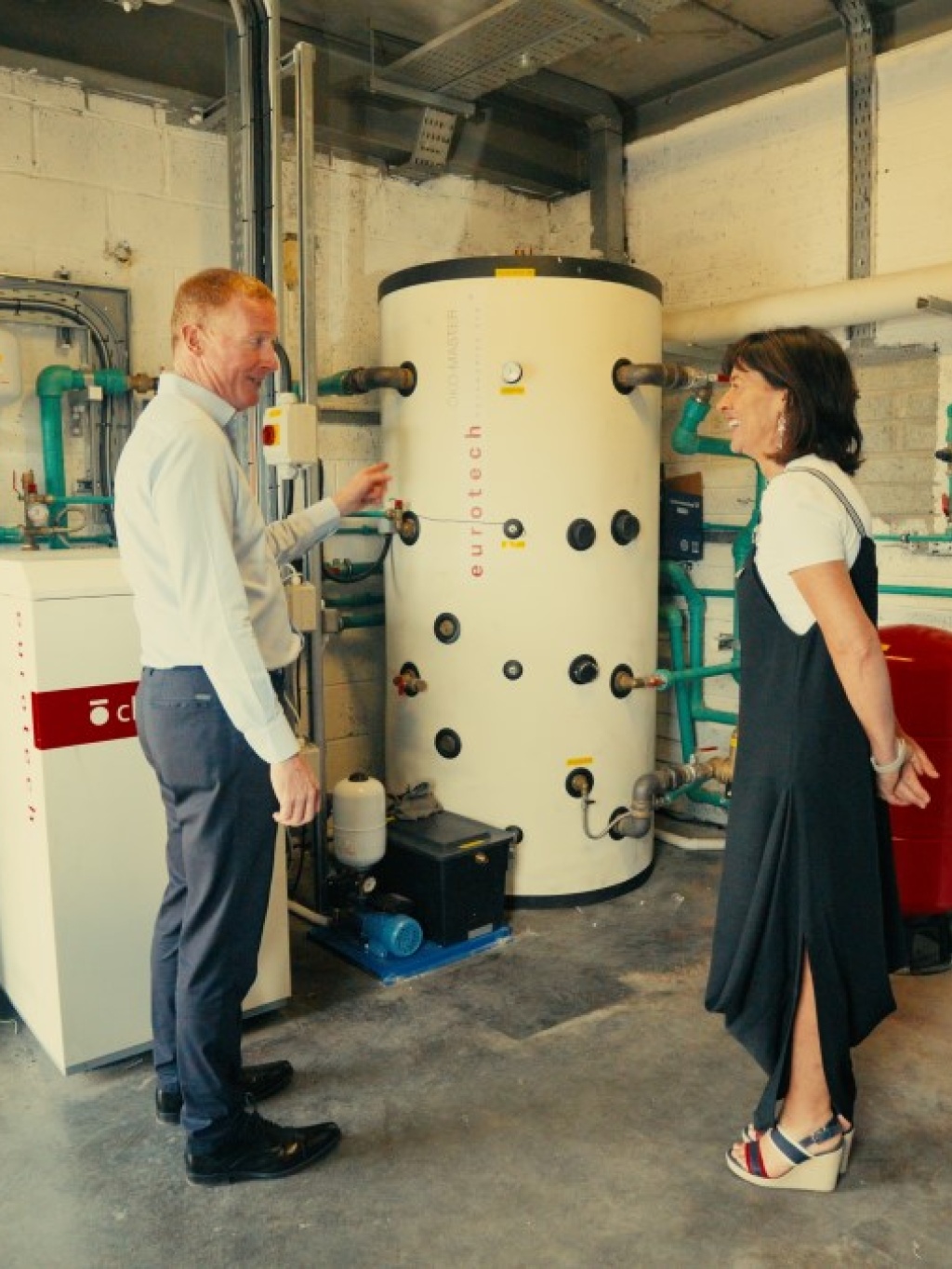
And then beyond that, people are obviously interested in making investments. And that's where our grants come in. We've two streams of grants. We have a rapid approval grant for a menu of measures like solar PV and heat pumps and insulation. And then for more complex larger projects, we have a tailored support grant where we sort of assess on an ongoing basis.
Amber: It'd be great to hear about those in a little bit more detail.
Fergus: The rapid approval grant is hugely popular with 95% of our grant approvals last year in this area. A large number of grants were for the Energy Audit Scheme, but solar PV is also a very popular measure. We paid out several thousand solar PV grants last year and the same for the energy audits.
But there's a menu of measures, kind of like the home energy grants that people will be aware of. Some examples include:
- solar PV
- solar thermal
- heat pumps
- replacing air handling units for more efficient heat recovery air handling units.
- insulation grants
- grants for BMS – a building management system
- replacing water pumps
The beauty of these rapid approval grants, as the name suggests, is you can apply and get approved within minutes effectively. You'll have to have a bit of information to hand to complete the form. They're all instant approval and you just get on with making those investments.
We have tailored support grants for more complex systems where we'll assess the full investment and essentially give you a percentage of that investment as support. That does take a few weeks to get approved, but typically we're approving several hundred-thousand-euro worth of grant aid in one of those applications. There's something for everyone.
We will often say that small businesses can save around 20% of their energy costs through low and no cost measures. And we don't just say it, the proof is in the pudding. We have a lot of data that backs that up.
Amber: That's brilliant to hear. Is the uptake increasing in the last couple of years?
Fergus: We've done surveys of the business community and the likelihood of SMEs either undertaking an energy audit or applying for a grant for an energy upgrade has increased significantly.
And of course, businesses have so many things to manage and concentrate on and so many priorities and risks that they're trying to manage. But about three-quarters of SMEs are in the space of either doing an energy audit or progressing an energy upgrade.
The figures show real momentum:
- Across 2024 and 2025, SEAI paid out approximately €84 million to more than 7,000businesses
- In Kerry, 151 businesses received €1.8 million in grant aid in 2024
- In 2025, that increased to 204 businesses receiving €2.5 million
SEAI is also seeing continued growth in applications throughout 2026.
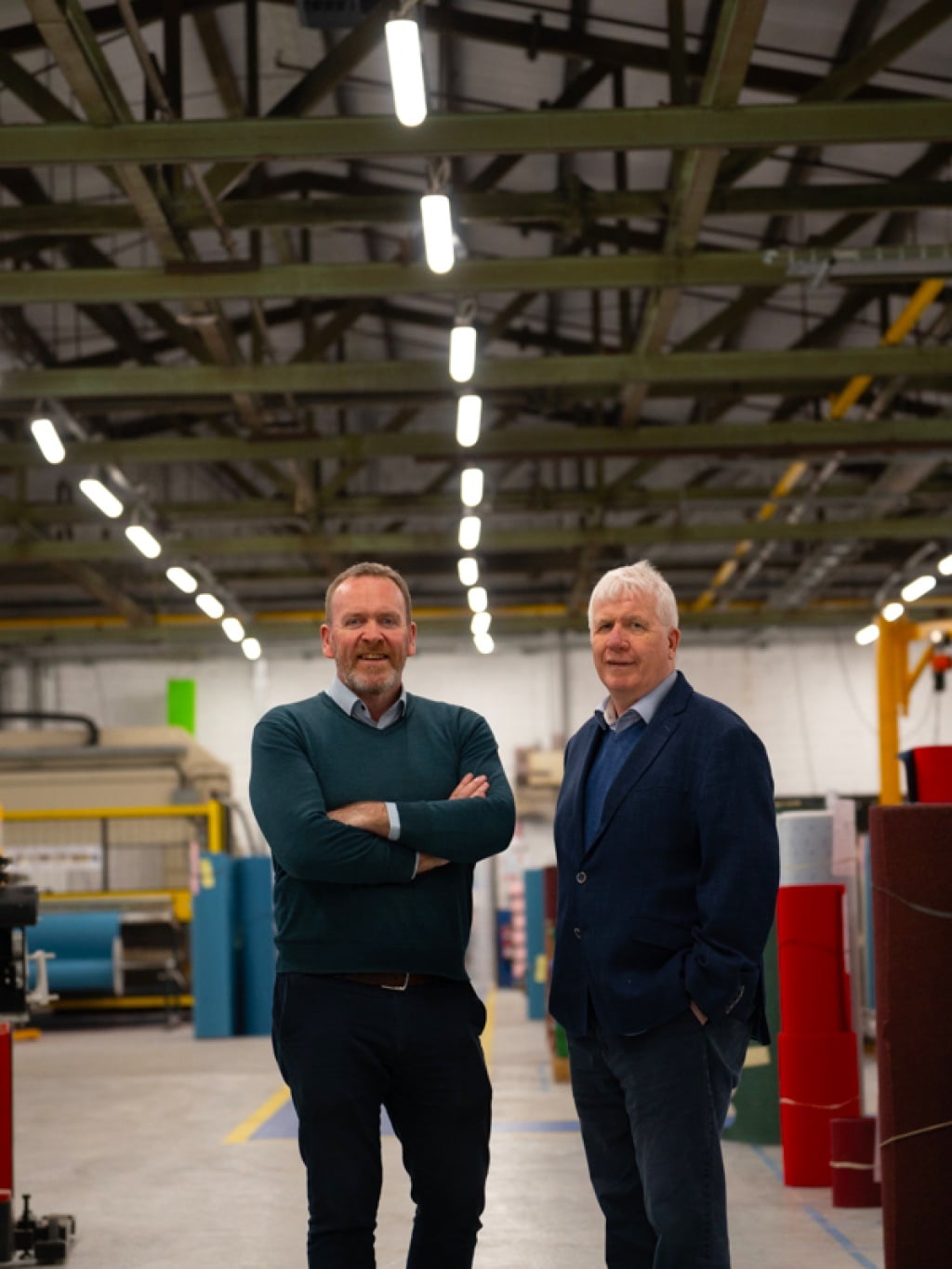
You can see businesses who are making significant savings. We have case studies on our website and YouTube channel. People can get a real sense of bottom line savings that these companies are making. They're making themselves more resilient, more competitive, and they're giving themselves something that they can showcase to their customers, to their suppliers, and to people they work with.
The support that SEAI offers has been transformed in the last number of years. And we're getting to more businesses every year and we want to reach even more.
The best place to start is the SEAI Easy Wins campaign page.
The goal is to help businesses become more competitive, more resilient and better prepared for future energy challenges.
Easy Wins (opens in a new tab) Listen to the interview in full (opens in a new tab)