Vhi’s transition to electric vehicles is saving money, resources and carbon emissions

Background
Vhi is Ireland’s largest not‑for‑profit health insurance provider, serving over 1.7 million customers across the country. As a statutory corporation owned by the Government of Ireland, Vhi reports to the Minister for Health and has a strong focus on sustainability, efficiency and public value.
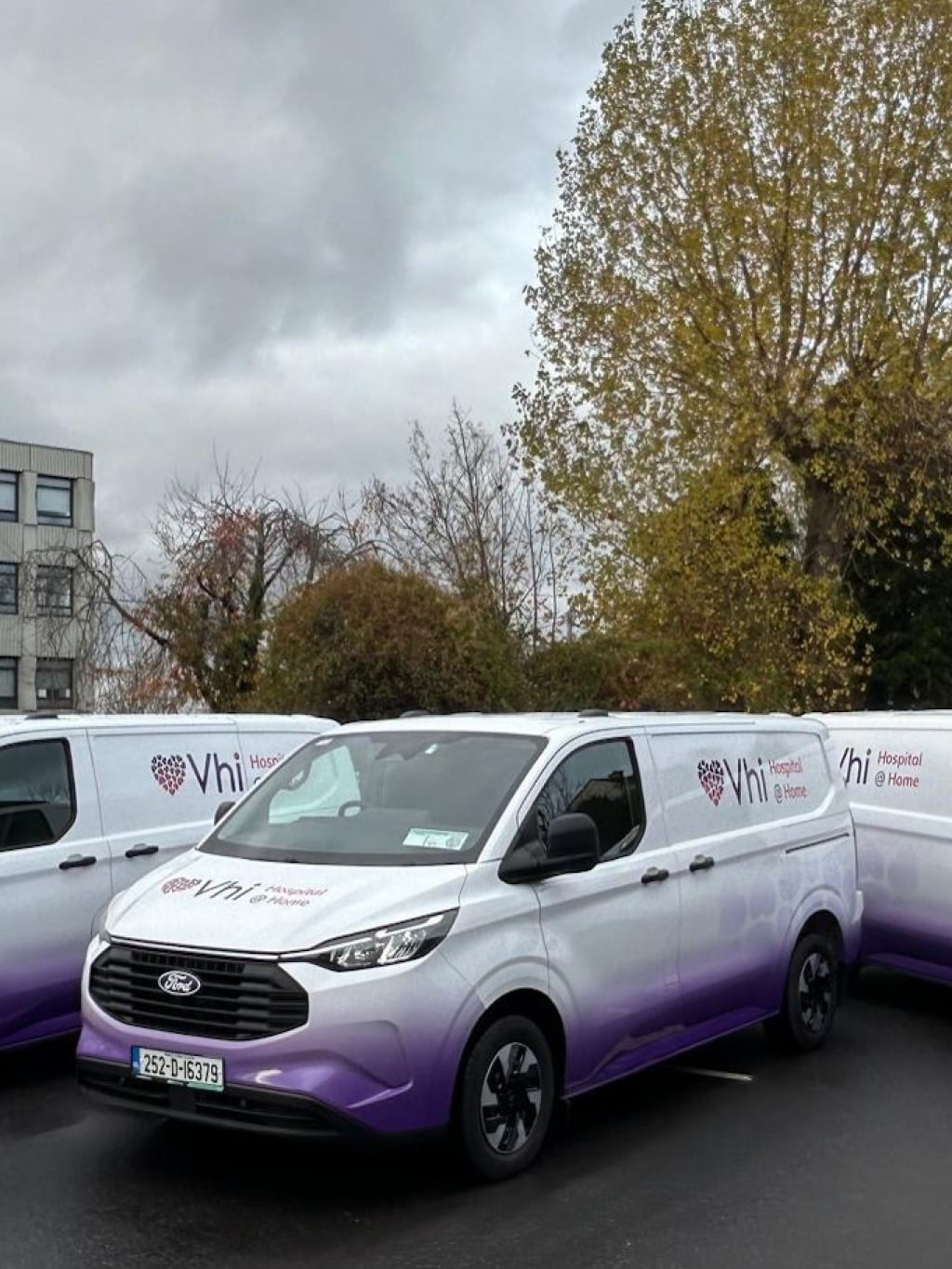
As part of its decarbonisation programme, Vhi transitioned its commercial sales fleet of 47 vehicles from fossil fuel to electric. Given that the vehicles are charged at employees’ homes, the organisation required a solution that went beyond vehicle replacement. It needed to address charging, billing, data and reporting and ultimately reduce the administrative burden on employees.
The Project
The challenge
Electrifying a dispersed, home‑based fleet presented a number of operational challenges:
- Installing EV charge points in colleagues’ homes, safely and on flexible schedules
- Separating business and personal charging for expenses
- Reducing the administrative burden associated with expenses and reimbursements that were associated with the fossil fuel fleet
- Maintaining accurate data on energy use, costs and CO₂ emissions
Vhi identified the need for a single, integrated solution to manage both infrastructure and ongoing operations.
The solution
Vhi appointed Glen EV, following a tender process, to deliver an innovative solution that included:
- Installation of home EV chargers for colleagues
- A centralised online dashboard, providing visibility of:
- Charging behaviour
- Energy consumption
- Charging costs
- Carbon emissions by vehicle and fleet
- A consolidated billing system, which removes the need for individual expense claims. Glen EV pays the charging costs centrally and invoices Vhi monthly.
SEAI grant supports, including home charging grants, were used to help reduce upfront costs.
“Glen EV provided all of these solutions and were extremely professional from the commencement of the works. They provided an excellent relationship manager who oversaw the tricky installation of EV charging points in colleagues’ personal homes. They carried out this work to the time frame of our colleagues and there was high quality construction and safety carried out during the installation process.”
The results
Over a 12‑month period, the transition delivered 118,405 kg of CO₂ savings, representing a 75% reduction compared to the fossil fuel fleet. This is equivalent to the annual carbon absorption of approximately 5,400 mature trees.
The project also resulted in substantial financial savings. A €54,190 reduction in fuel and energy costs, which is a 54% decrease in 12 months compared to the fossil fuel fleet.
€135,000 was saved annually in administration costs, thanks to the new consolidated billing system and dashboard solution. This removed individual fuel and charging expense claims. It also reduced processing time for the finance and operational teams.
The availability of high‑quality data and reporting has also improved oversight of fleet efficiency and performance.
What’s next?
Following the success of this phase, Vhi has secured capital funding to begin transitioning its clinical and logistics fleet to electric vehicles from 2026. Glen EV will continue as a key partner in supporting charging infrastructure, billing and reporting across the expanded fleet.
SEAI offers support to public bodies that sign up to the Partnership Programme to help them to achieve their climate action obligations and targets.
Find out more about what’s next? (opens in a new tab)