From master plan to implementation: co-creating community-led energy solutions for Erris
Postgrad students from Germany worked with Erris SEC to explore renewable energy options within the community.

Background
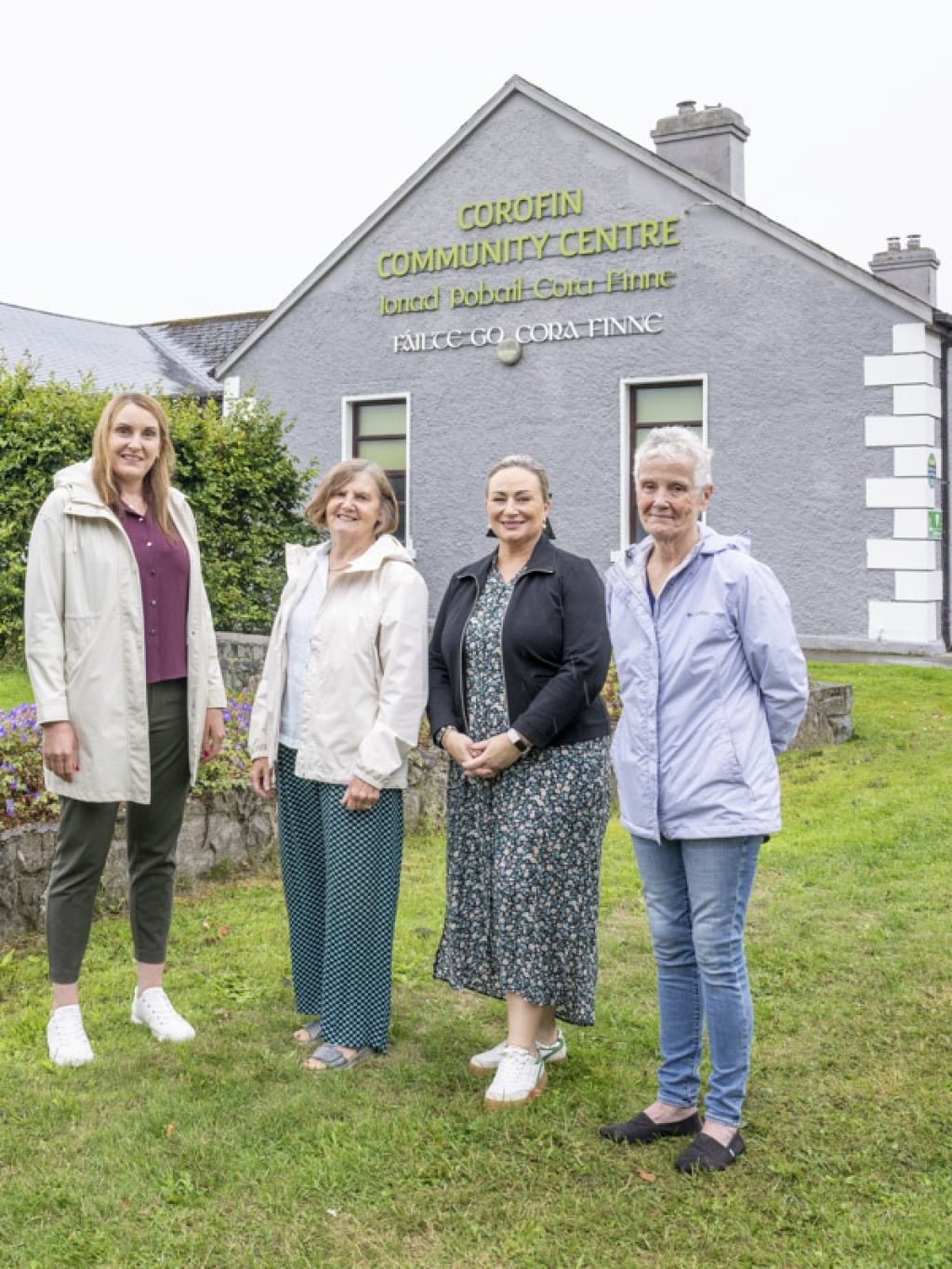
Erris Sustainable Energy Community (SEC) is based in Belmullet, County Mayo. It serves a remote and dispersed population with one of the lowest population densities in Europe. Most of the area is mountainous blanket bog and located along an extensive coast bordering the North Atlantic Ocean.
Much of the housing stock has poor energy performance and relies heavily on fossil fuels and peat for heat. There are limited public transport options for residents. Erris SEC aims to reduce energy use from fossil fuels, improve comfort in homes, cut energy costs for residents and support community owned, renewable energy development.
In 2022, the SEC completed an Energy Master Plan. which included household energy surveys and supported community energy events.
In January 2026, a visit from the University of Flensburg, Germany, offered a chance to build on this work by bringing international technical expertise into the community. The main challenge was how to take the Energy Master Plan roadmap and turn it into clear actions, where residents would also be central in shaping that work.
The Project
The International Community Energy Project (ICEP) is part of a master’s programme at University of Flensburg, specialising in community energy. The students study a specific rural region, travel to the area, and apply problem-based learning through fieldwork and public engagement. Thirteen students from twelve countries took part in the Erris project.
Their objectives were to:
- Understand energy use in Erris and identify practical opportunities for improvements in homes, public buildings and businesses
- Support community owned renewable energy ideas
- Explore mobility, heating and electricity needs as part of an integrated system
- Build local capacity by engaging directly with residents, community groups and local organisations
- Present findings that can help the community plan next steps
The activities carried out:
The students prepared by studying the region before travelling to Erris in January 2026. To move from strategy to action, this project adopted a participatory co-creation approach involving:
- community workshops,
- door-to-door surveys collecting real energy bill data,
- stakeholder meetings with local representatives, contractors, public institutions, transport providers, and developers, site visits,
- technical assessments
- expert consultations.
Their fieldwork included:
- Visits to Oweninny Wind Farm and the Claremorris community owned solar farm
- Energy audits of homes and businesses
- Meetings with key organisations including Mayo County Council, the Irish Wheelchair Association, St Brendan’s Secondary School, Local Link and Churchfield Home Services One Stop Shop
- A visit to the KitePower airborne wind energy test site in Bangor Erris.
Community workshops
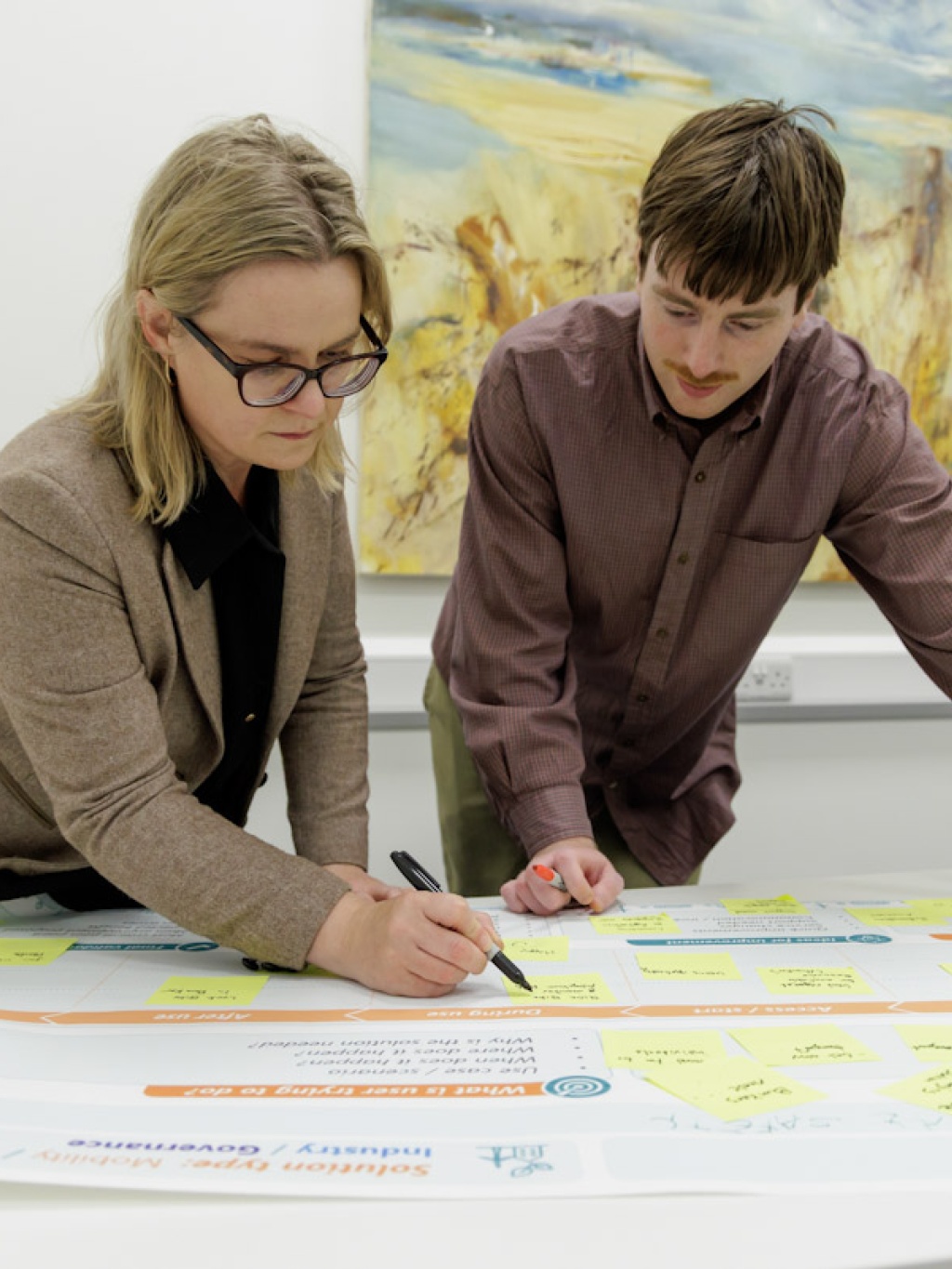
Community workshops were held on three Saturdays at the Irish Wheelchair Association building in Belmullet. Residents discussed their energy bills, identified priorities for their homes, ranked community needs, and took part in exercises using surveys, voting tools, and redflag/greenflag discussions. Topics included heating costs, ownership of renewable energy projects, district heating options, and the future of wind energy in the region.
A separate strand of work supported the development of a community business case for an indoor swimming pool, following discussions with Councillor Gerry Coyle. Students explored how renewable energy could support the running costs of such a facility.
Funding
The project formed part of the University of Flensburg’s master’s programme and was funded by the German Academic Exchange Service (DAAD), with support from host organisations in Erris. The SEC supported logistics and community engagement.
Management and delivery
Erris SEC coordinated the project locally. The committee supported access to buildings, organised meetings with local stakeholders and helped host the public workshops. Volunteer time was key, particularly for arranging visits and supporting community engagement.
The University of Flensburg managed the research work. Professor Dr. Bernd Moller led the group, with support from teaching staff. Students completed technical assessments, modelling and workshop facilitation.

Results
The project produced a mix of technical, social and community outcomes.
Quantitative results
- Energy audits carried out on a selection of residential, commercial and public buildings
- Heat balance assessments and retrofit recommendations prepared for sample homes
- Initial modelling of an integrated local energy system created to support long term planning
- Survey results gathered from workshop participants on priorities and barriers
Qualitative results
- Increased community awareness of energy options
- Residents openly shared energy bills and challenges with heating costs
- Strong local interest in community owned renewable energy
- Increased understanding of the value and challenges of wind, solar and heatpump projects
- Broader discussions on mobility, district heating and long term resilience
- Renewed momentum for a community swimming pool powered by renewable energy
- Stronger links between Erris SEC and academic partners
- International students gained valuable insight into working with rural communities
Barriers they encountered and how they were addressed:
- Limited grid capacity: work focused on planning and long term modelling rather than immediate largescale projects
- Just Transition: workshops ensured that social considerations were central
- Divergent community views on wind: balanced discussions and voting exercises helped explore concerns fairly
- Rural isolation and limited venues: IWA Belmullet provided an accessible and trusted space
Key learnings from the project:
- Community workshops are most effective when practical and interactive
- International expertise can help rural communities think long term
- Clear communication is vital when discussing sensitive topics like wind energy
- Early engagement with local stakeholders can open new opportunities, such as the swimming pool project
- Household level improvements remain the quickest route to reducing energy costs.
Next steps
Erris SEC will use these findings to inform their next phase of delivery. Key next steps include:
- Continuing home energy audits and supporting deep retrofit actions
- Using the students’ modelling work to refine the long term energy roadmap
- Exploring options for a community owned renewable energy project when grid capacity improves
- Supporting planning for a renewable powered indoor swimming pool
- Keeping community engagement active through further workshops and local events
- Strengthening partnerships with universities and technical experts
A link to the final report by the Flensburg students is here.
For more information about the ICEP module and previous projects, please visit their website.
Learn about SECs (opens in a new tab)