Broiler Advisory Services Reduces Energy by 52% with EXEED
Through SEAI’s EXEED-certified Energy Efficient Design approach, Broiler Advisory Services reduced farm energy use and associated carbon emissions by 52%, saving 1.4 GWh and 350 tonnes of CO₂e annually while improving operational control.

Background
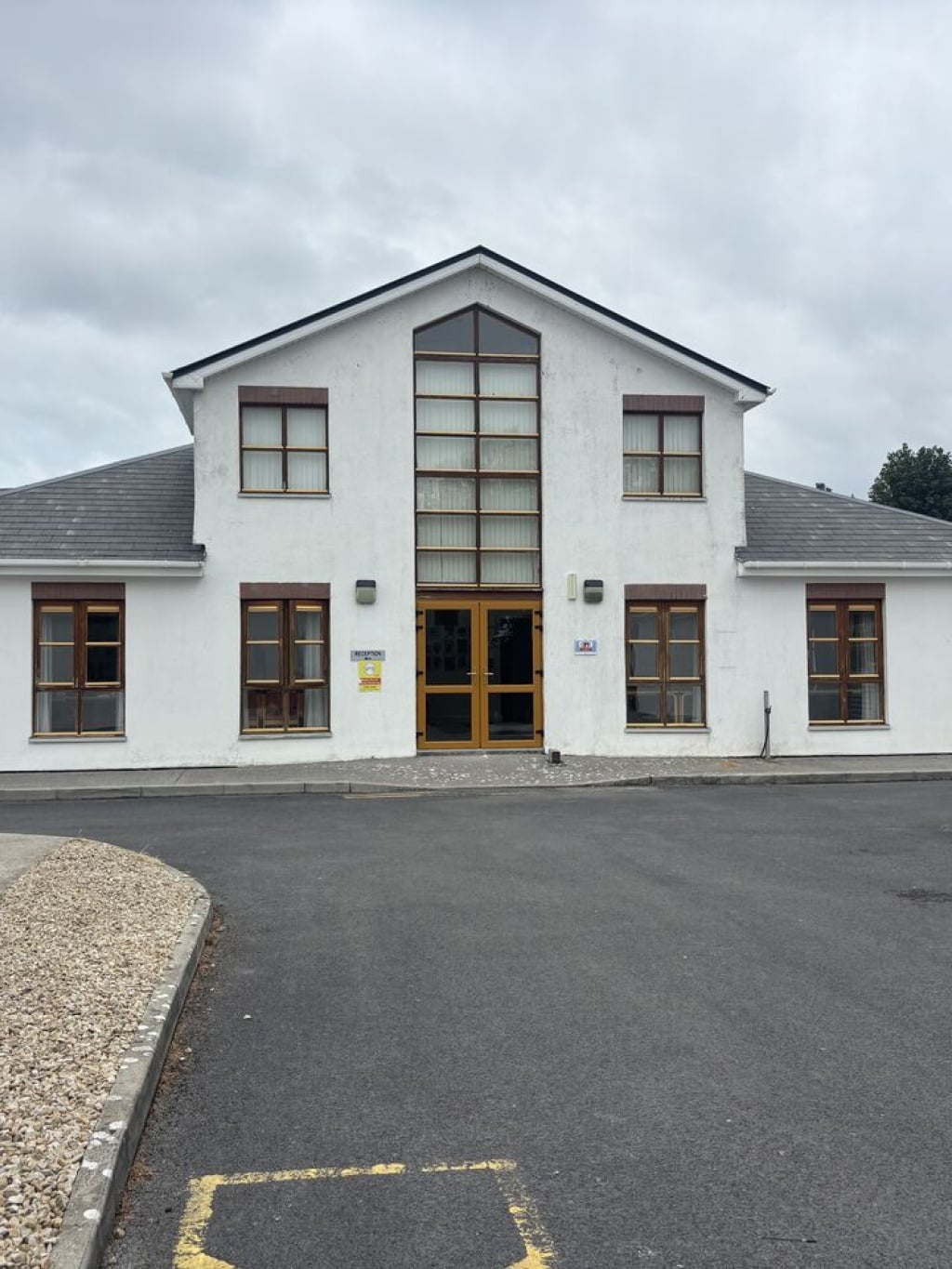
Broiler Advisory Services, based in Newbliss, County Monaghan, operates a modern poultry production facility serving Ireland’s growing agri-food sector. Poultry farms are energy-intensive, with significant heat demand for brooding and ventilation.
To future-proof operations and demonstrate environmental leadership in the agricultural sector, Broiler Advisory Services partnered with SEAI through the EXEED (Excellence in Energy Efficient Design) programme. The aim was to embed energy-efficient design at the outset of the new development of poultry houses, ensuring long-term sustainability, reduced energy costs, and enhanced production conditions. 2.1 million broilers (chickens raised for meat) are produced onsite annually.
The project
The poultry houses were designed and built to EXEED principles, integrating several innovative measures:
- High-performance building fabric: low U-value insulated walls, roof, and floor to minimise heat loss, with an air tightness / blower door test carried out, achieving a Q value of 2.82 m3.hr.m2@50 Pascals.
- Finned tube heating system: improved heat distribution and reduced liquefied petroleum gas (LPG) use.
- Free cooling system using high-pressure misting for controlled ventilation during warmer months.
- Automated monitoring and testing system: continuous monitoring of energy performance across all broiler houses.
- Daylight-linked LED lighting: automatic dimming to balance natural and artificial light, integrated with the Agrologic control systems, enhancing bird welfare while cutting electricity use.
The project applied Energy Efficient Design (EED) at every stage, from concept to operation, ensuring design choices were data-driven and performance was verified through SEAI’s Measurement and Verification (M&V) framework.
Michael Galvin, from Enviroeye Consulting Engineers, supported the EXEED application and EED process, showing and measuring the actual energy and carbon savings from this energy efficient agri-project.

| Indicator | Baseline (Average) | Post-Project | Improvement |
| Energy intensity use per broiler | 1.41 kWh/broiler | 0.687 kWh/broiler | 52% Reduction in energy intensity/broiler |
| Annual energy use & savings | — | 1,424,649 kWh/year | 52% energy savings / year |
| CO₂ emissions & annual reduction | — | — | ≈ 350 tCO₂e/year reduction |
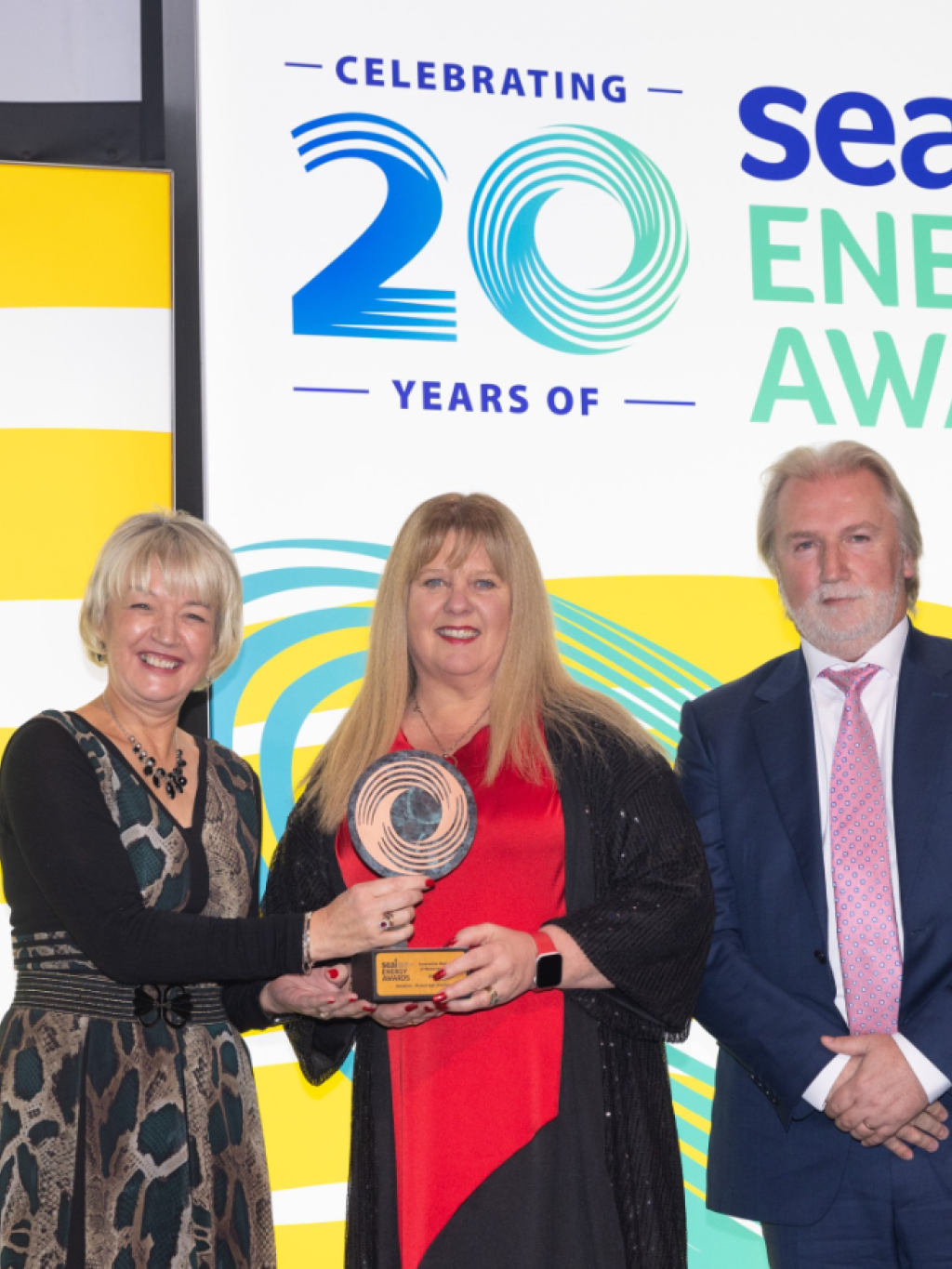
| EXEED Certification | — | EXEED Design Certified Achieved | EXEED Certification Plaque presented onsite in September 2025 |
Key Outcomes:
- Lowered operational costs and carbon emission footprint.
- Enhanced environmental performance and animal comfort.
- Reduced volume of litter waste.
- Improved quality of broilers.
- A replicable energy-efficient model for poultry producers across Ireland.
“The EXEED process transformed how we think about farm design and energy use. By building efficiency in from the start, we achieved significant savings while improving our production environment.”
What's next?
Broiler Advisory Services is now exploring integration of renewable energy technologies (e.g., solar PV and heat pumps) to further reduce fossil fuel dependence. The farm also plans to roll out energy training for staff to embed continuous improvement and align with ISO. 50,001 energy management principles, working towards becoming an educational centre for excellence and a carbon neutral energy agri-business enterprise in the future.
Discover how your business can design for efficiency and sustainability with SEAI’s EXEED programme.
EXEED (opens in a new tab)