The Davenport Hotel: delivering excellence in energy performance and energy efficient design
EXEED Certified upgrades delivered significant energy savings of 421MWh/year, reduced carbon emissions of 79 tCO₂/year and improved operational performance.

Background
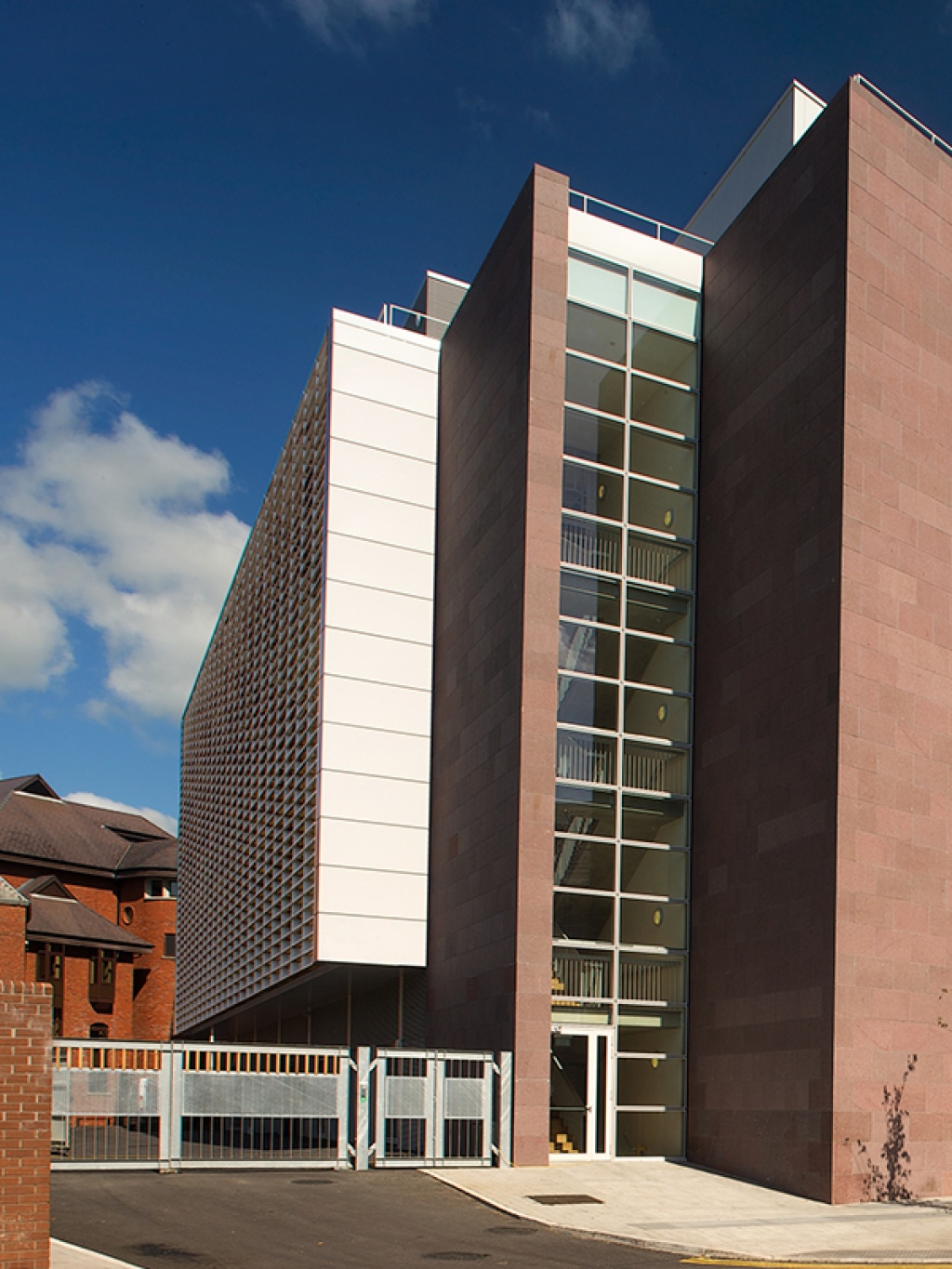
Located in the heart of Dublin city centre near Merrion Square, The Davenport Hotel is a luxury four-star hotel within the O'Callaghan Collection. With 115 guest rooms alongside dining and conference facilities, maintaining guest comfort while managing energy use is a key operational priority.
As energy costs increase and sustainability is a growing business focus, the hotel identified an opportunity to improve the energy performance of its hotel building. They set a goal to reduce energy consumption and carbon emissions, strengthen operational resilience and establish a foundation for continuous energy management.
Achieving EXEED Designed certification at The Davenport Hotel is an important milestone for the O'Callaghan Collection. This project demonstrates how investment in energy efficient design can deliver tangible business benefits while supporting our broader sustainability objectives. The knowledge gained through this project will help inform future improvements across our hotels as we continue to reduce our environmental impact and build a more sustainable hospitality business for the future.
The project
The Davenport Hotel undertook a major energy efficiency upgrade focused on improving the performance of key energy systems across the existing hotel.
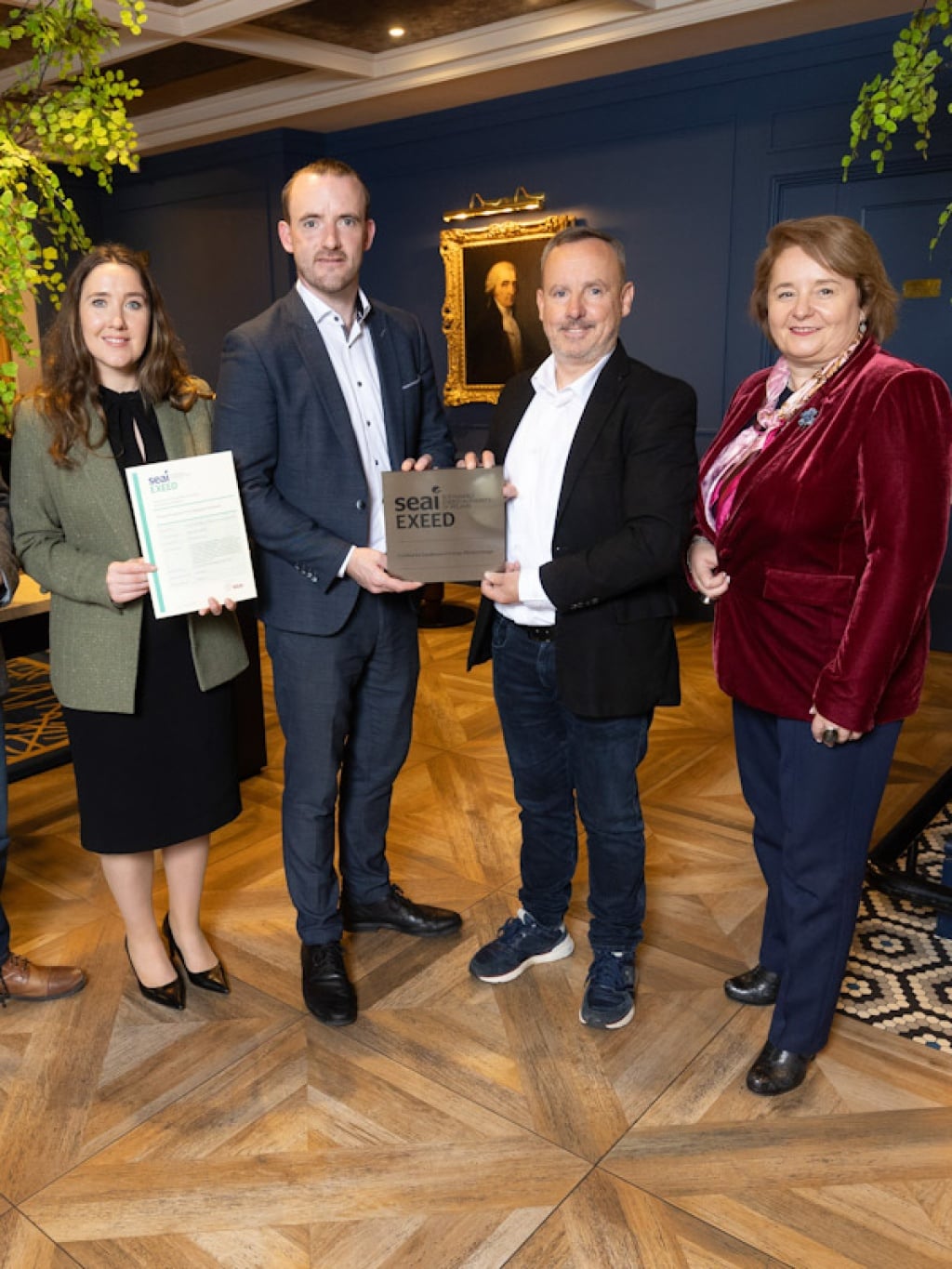
The project achieved SEAI’s Excellence in Energy Efficient Design (EXEED) Designed certification. This demonstrates that best-practice energy efficient design principles were applied throughout the project in line with the SEAI EXEED methodology.
The scope of works covered approximately 78% of the hotel's energy-consuming systems, including heating, domestic hot water, controls, monitoring and energy management infrastructure.
Throughout the project, maintaining guest comfort and minimising disruption to hotel operations remained a priority.
The challenge
An assessment of the hotel’s energy profile identified several significant energy users, including:
- Combined heat and power (CHP) systems
- Gas-fired boilers
- Air conditioning systems
- Ancillary electrical loads
- Lighting
The project team sought to identify practical and cost-effective opportunities to improve system performance, reduce waste and deliver measurable energy and carbon savings.
The EXEED approach
Using the EXEED Challenge and Analyse methodology, the project team carried out a detailed review of the hotel's major energy systems to identify opportunities for optimisation and operational improvement.
A key strength of the project was its evidence-based approach, with technical, operational and financial assessments captured through a comprehensive Energy Savings Register.
Enhanced monitoring and performance management formed a central part of the strategy. A Siemens Subnet Building Management System (BMS) and upgraded sub-metering infrastructure were installed to provide detailed operational and energy data. This allows the hotel to establish Energy Performance Indicators (EnPIs), track performance and identify future optimisation opportunities.
Key measures implemented included:
- Upgrade of the Building Management System and controls,
- Domestic hot water and boiler system improvements,
- Enhanced energy monitoring and sub-metering,
- Plant, pipework insulation and valve jacket upgrades,
- Operational optimisation of plant and associated equipment.
Results and key achievements
The project delivered substantial energy and carbon savings while providing greater visibility and control of the building’s performance.
Project Outcomes:
- 421 MWh/year energy savings,
- 79 tonnes CO₂/year avoided carbon emissions,
- Improved operational control and system efficiency,
- Enhanced monitoring and energy performance management,
- Better understanding of energy consumption through advanced metering.
Savings by measure:
| Measure | Energy savings | Carbon savings |
| BMS upgrade and controls | 119 MWh/year | 23 tCO₂/year |
| Domestic hot water and boiler system improvements | 276 MWh/year | 51 tCO₂/year |
| Enhanced sub-metering and monitoring | 25 MWh/year | 5 tCO₂/year |
| Total | 421 MWh/year | 79 tCO₂/year |
Following independent assessment by NSAI, the project was recommended for EXEED Designed certification. The assessment recognised the project's strong application of the Challenge and Analyse process and its robust approach to monitoring, controls and ongoing performance management.
Next steps
Building on the success of the project, The Davenport Hotel is developing a longer-term sustainability roadmap to 2030.
Future priorities include:
- Ongoing optimisation of building performance using energy data and analytics,
- Further opportunities to reduce carbon emissions and improve resource efficiency,
- Assessment of renewable energy technologies and low-carbon heating solutions,
- Continued staff engagement and sustainability awareness initiatives,
- Integration of sustainability objectives into business operations and future investment decisions,
The project has established a strong foundation for continuous improvement while supporting the hotel's broader sustainability ambitions.
Our priority was to improve the energy performance of the hotel without compromising the guest experience. By following the EXEED methodology, we have delivered measurable energy and carbon savings, gained greater visibility of how our building performs, and created a platform for ongoing improvement. We are proud of what has been achieved and excited about the opportunities ahead.
Is EXEED suitable for your business?
Hospitality businesses can unlock significant energy and cost savings by adopting a structured design led approach to energy efficiency.
The Davenport Hotel demonstrates how a structured approach to energy efficient design can deliver significant savings while maintaining high standards of guest comfort and service.
Organisations considering energy upgrades can learn more about the SEAI EXEED Programme and how it supports businesses in identifying, designing and delivering energy performance improvements.
Register for our free online energy efficient design (EED) training available monthly.
Find out more about EXEED (opens in a new tab)