Designing a low-carbon academic building at Maynooth University

Background
Maynooth University is a public third-level institution based in Co. Kildare, delivering education and research within a growing and diverse campus estate. Its facilities include academic, research and student-support buildings that serve both regional and national communities.
As a public body, the University is subject to Ireland’s Public Sector Climate Action Mandate and is committed to improving the energy performance of its buildings and operations. Energy efficiency and carbon reduction is embedded within its capital planning and campus development strategy. This context informed the decision to apply the SEAI Excellence in Energy Efficiency Design (EXEED) framework to the delivery of the new Technology, Society and Innovation (TSI) academic building.
The project
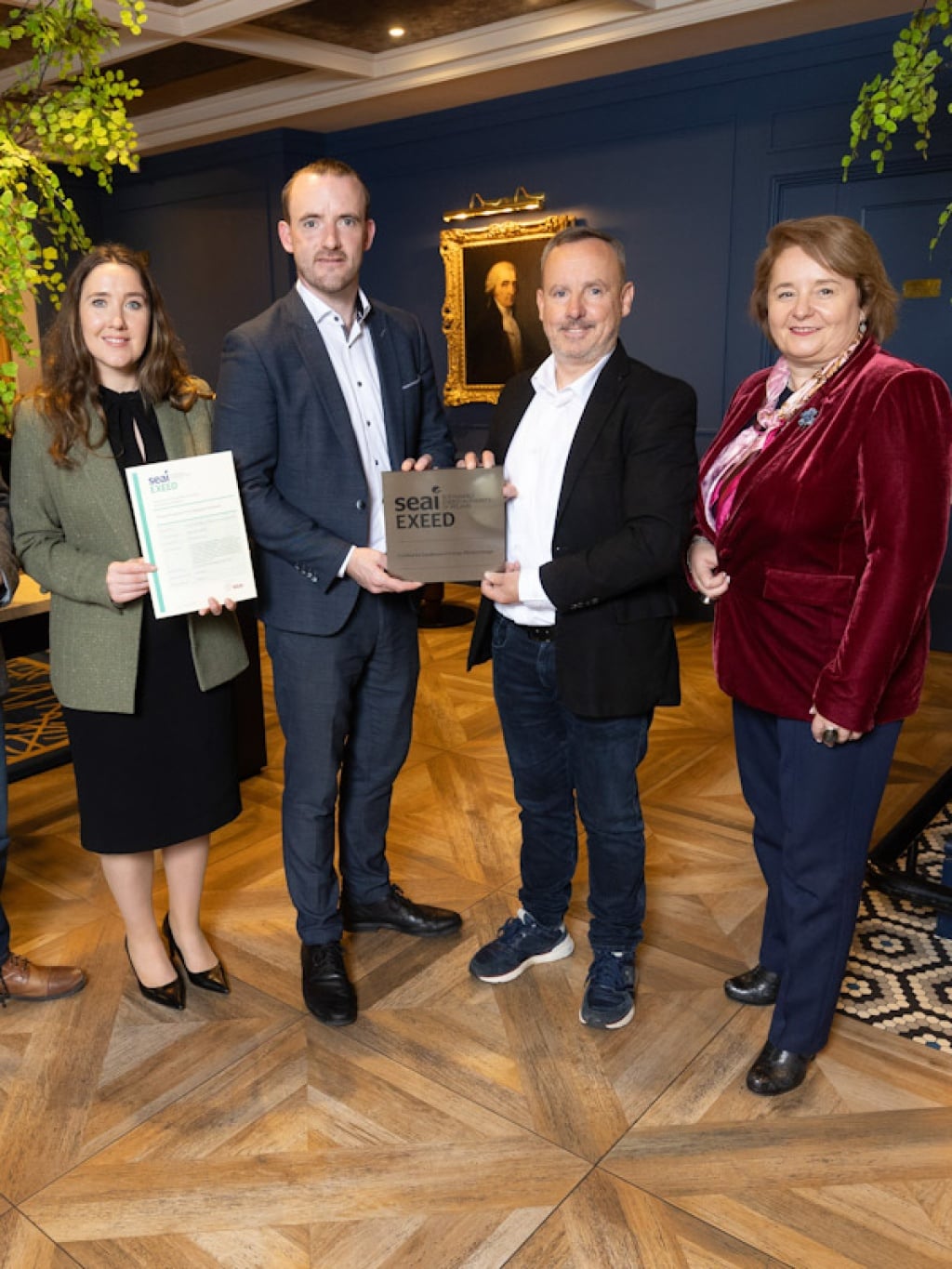
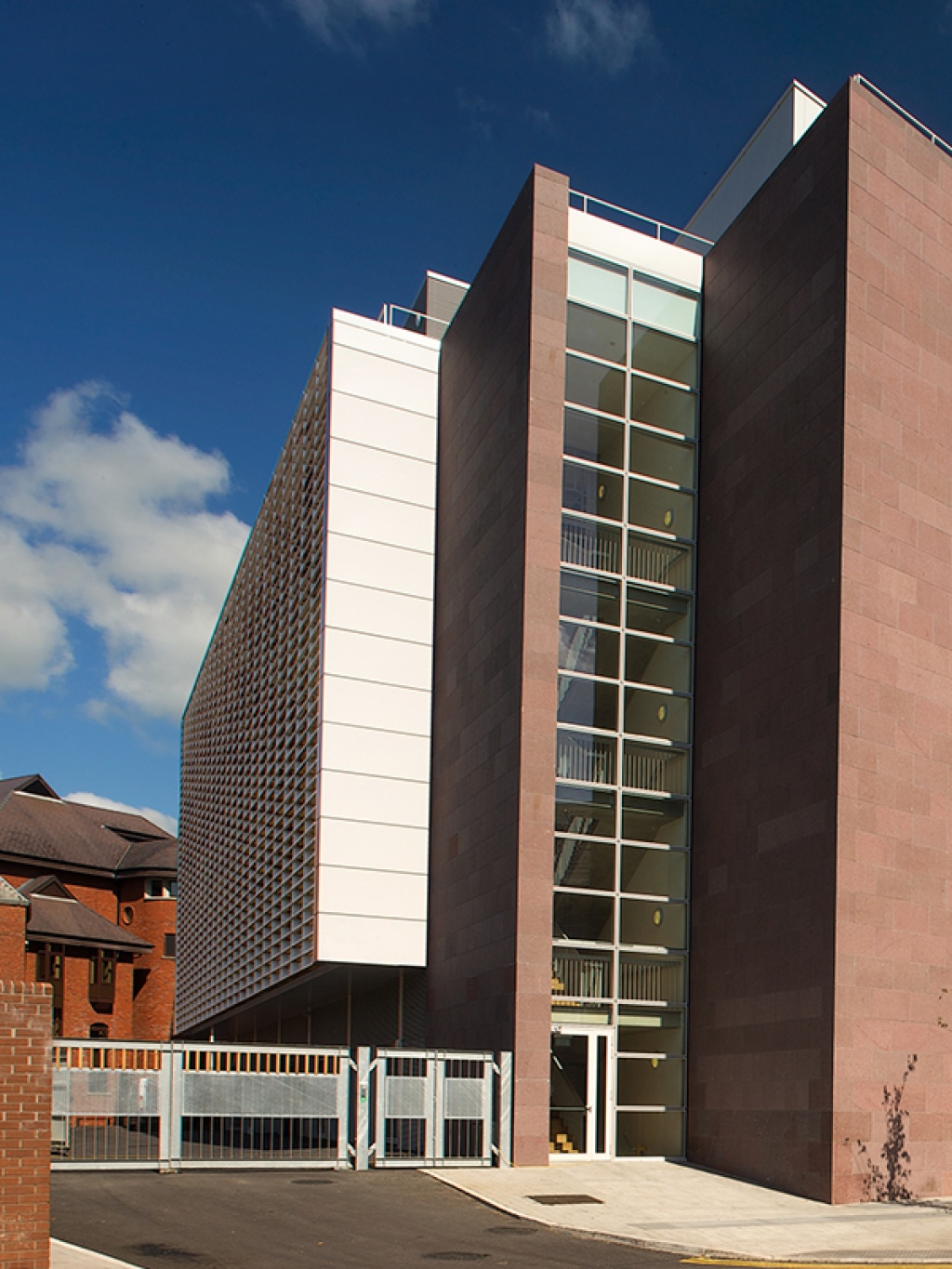
Maynooth University applied the Energy Efficient Design (EED) process and the SEAI EXEED framework in the development of a new 10,554 m² greenfield academic building on its campus. The project achieved EXEED Designed certification in accordance with IS 399:2021. This certifies that energy performance and carbon reduction were systematically addressed at design stage.
The building was designed to exceed nearly zero energy building (NZEB) Part L requirements. It forms a strategic addition to the University’s estate. A fabric-first approach was adopted to minimise heat loss and reduce overall energy demand. This was supported by high efficiency building services and intelligent controls.
Stage 2 ‘capital investment and professional services’, is where an organisation invests in the recommended measures from Stage 1.
Key measures included:
- Electrification of heat, replacing gas-fired space heating and hot water systems with high-efficiency air source heat pumps
- Enhanced building management system (BMS) controls, including zoned areas and optional ECO-Mode settings to respond to lecture hall occupancy
- A real-time energy dashboard in the entrance lobby, displaying actual energy and water use to support user awareness and behavioural engagement
- Improved building fabric performance through enhanced insulation and airtightness exceeding NZEB standards
- High-efficiency lighting and ventilation systems
Energy-efficient design principles were embedded from early concept stage, ensuring that demand reduction and carbon mitigation were prioritised before construction commenced. This structured approach optimised performance across the building fabric, services and controls.

Project support
SEAI EXEED grant support strengthened the business case for investment in low-carbon technologies. It supported delivery of a cost-effective, high-performance solution aligned with national climate policy.
The project was supported throughout by Enviroeye Consulting Engineers, who provided specialist energy analysis and performance modelling. This quantified energy and carbon savings and ensured compliance with EXEED requirements.
Results and key achievements
Maynooth University’s EXEED Designed project demonstrates how structured energy efficient design can deliver measurable performance improvements in a public sector academic setting. The team embedded the SEAI EXEED framework and IS 399:2021 methodology at design stage. This ensured that energy efficiency and carbon reduction were integral to decision-making from the outset.
The verified performance outcomes for this project included:
| Indicator | Baseline energy use | Post-project energy use | Improvement / savings achieved |
| Annual electrical and thermal energy use and savings | 1,033,906 kWh | 728,925 kWh | 304,981 kWh/ yr – 29.5% energy reduction |
| CO2e emissions and avings per year | 244,782 kgCO2e /yr | 172,576 kgCO2e /yr | 29.5% improvement on baseline figure |
| ENPI – CO2e emissions and savings /m²/yr | 18 kgCO2e /m²/yr | 12.69 kgCO2 /m²/yr | 29.5% improvement |
| EXEED Certification | EED Designed Certification achieved in accordance with IS. 399; 2021 |
These savings reflect a substantial improvement compared to the reference design and demonstrate the effectiveness of applying the energy efficiency first principle early in the project lifecycle.
“Applying the SEAI EXEED and the IS. 399 methodology helped ensure that the design decisions were informed by robust energy analysis from an early stage. The resulting building is achieving measurable reductions in both energy use and carbon emissions, while providing a strong reference point for future campus development.”
Energy performance improvement
Through detailed baseline analysis and performance modelling, the EXEED process enabled the project team to quantify expected savings and validate design decisions before construction. This evidence-based approach provides confidence that projected efficiencies translate into real operational benefits.
Reducing energy demand at source strengthens long‑term operational resilience. It lowers exposure to energy price volatility. It also avoids the need for more costly retrofit interventions in future years.
Governance and programme impact
SEAI’s EXEED programme supported the project through structured guidance, independent verification and grant assistance. This strengthened the investment case for low-carbon technologies. It ensured robust, auditable outcomes in line with public sector governance requirements.
Achieving EXEED Designed certification confirms that energy performance was independently assessed and verified in accordance with IS 399:2021. For a public body, this provides assurance of transparency, value for money and alignment with national climate policy.
Supporting national climate objectives
The project contributes directly to compliance with the Public Sector Climate Action Mandate. It supports the SEAI Net Zero Pathways by prioritising demand reduction and electrification at design stage.
By embedding energy efficiency into long‑life campus infrastructure, Maynooth University is delivering measurable carbon reductions today. This approach also enables continued decarbonisation as Ireland’s electricity grid transitions to higher levels of renewable generation.
Learning and replicability
A key strength of this project is its transferability. Maynooth University’s approach provides a practical and replicable model for other academic institutions and public-sector organisations planning new buildings or major refurbishments.
The lessons gained through the EXEED process can inform:
- Future capital projects across the Maynooth University campus
- The development of standard energy performance specifications
- The application of energy-efficient design practices within the wider higher-education sector
Embedding EXEED-informed decision-making into institutional processes helps ensure that energy performance is systematically considered at design stage, rather than addressed on a project-by-project basis. This approach strengthens governance, improves consistency, and supports long-term emissions reduction across the University estate.
Next steps
Building on this EXEED Designed project, Maynooth University is progressing further measures to reduce energy use and associated emissions.
Future priorities include:
- Optimising operational performance through enhanced monitoring and greater use of building management system (BMS) data.
- Expanding the application of the EXEED framework and IS 399:2021 across future campus developments and refurbishment projects
- Progressing the electrification of heat in suitable buildings
- Increasing on-site renewable electricity generation, such as solar PV
These actions align with the energy efficiency first principle and the sequencing outlined in the SEAI Net Zero Pathways. Together, they support continued progress towards national climate targets while delivering long-term operational efficiency and cost savings.
“The EED methodology provided guidance on how to work constructively to achieve higher energy performance across large design and contractor teams. The Challenge & Analyse(C&A) steps supported with good scientific data builds confidence & teamwork. Above could only be achieved by working closely with a skilled management team at Maynooth University”
EXEED and public bodies
Public sector organisations planning new buildings or major refurbishments are encouraged to engage with SEAI at an early design stage to embed energy efficiency into project delivery.
Discover how your organisation can design for efficiency and sustainability through the SEAI’s EXEED programme.
Learn more about exeed and public bodies (opens in a new tab)